Self-publishing your NaNoWriMo book may be easier than you think — and take a lot longer than you expect. The above novels took me an average of one year to draft and another year to edit and polish, develop cover art and marketing materials, and launch. They each required an investment of money and time, and of the two, time was the more expensive investement — well beyond the month of November. Self-publishing cuts the time to get a book onto the market by at least half, and that’s if you’re being careful and have several passes of beta readers, editors, and cover designers helping you.
I know some people write a lot faster than I do, maybe at warp speed compared to my jalopy kind of writing pace. For NaNoWriMo, each time I participated, I usually managed the daily 1,600+ word count, but that only produces a 50,000 word manuscript. Not a full-length novel.
The secret ingredient to NaNoWriMo success is to have something of an outline for your story arc before going on. But KNOW that your plot and characters will change. I question whether or not anyone can produce a layered, satisfying, novel-length story in a month. But what you can do is produce the early draft of one. I’ll break down what I did, book by book.
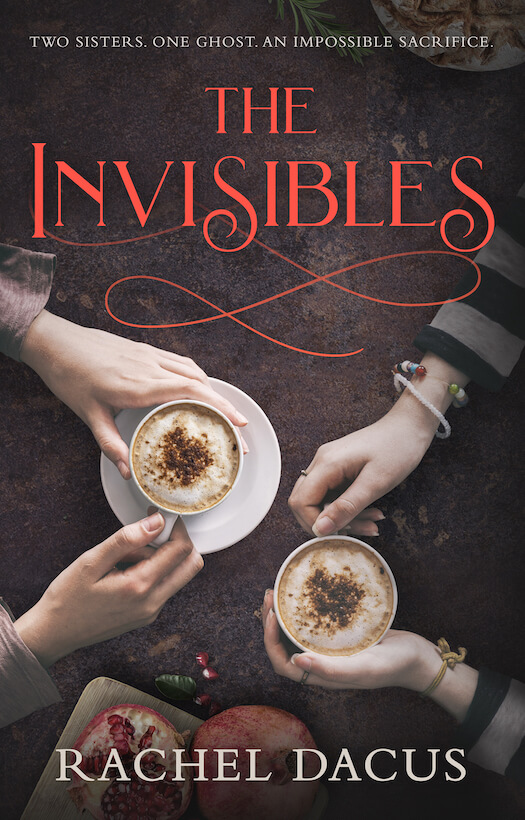
THE INVISIBLES was my first NaNoWriMo project. I plunged into it as a way to move through a grieving process. My brother had died the month before, and I didn’t know what to do with myself, except to write. Sadness has often sent me to the keyboard (or pen and notebook). It’s an escape and a therapy both. Wrenched by losing my only sibling, I decided to write about two siblings — sisters in this case, as I’ve always wanted a sister — and I had little more than that idea. December saw me with a 50K+ manuscript that was a mess, but had two sisters who had hooked my attention. I wanted to know how they’d overcome being polar opposites, half-sisters who were wholly resistant to one another, and traveling to Italy to claim their inherited and haunted house on the coast.
THE TIME GATHERER had a nominal NaNoWriMo start, but by this point, I was transitioning from a pantser to a plotser — using a general plot outline but giving myself lots of freedom to shift things as characters deepened and made their needs and wants (not the same thing) known. So I didn’t end November with 50K, but with a solid start, maybe 36K. And a solid outline that I added to over the coming year. It took another year to finish, edit, etc., and publish.
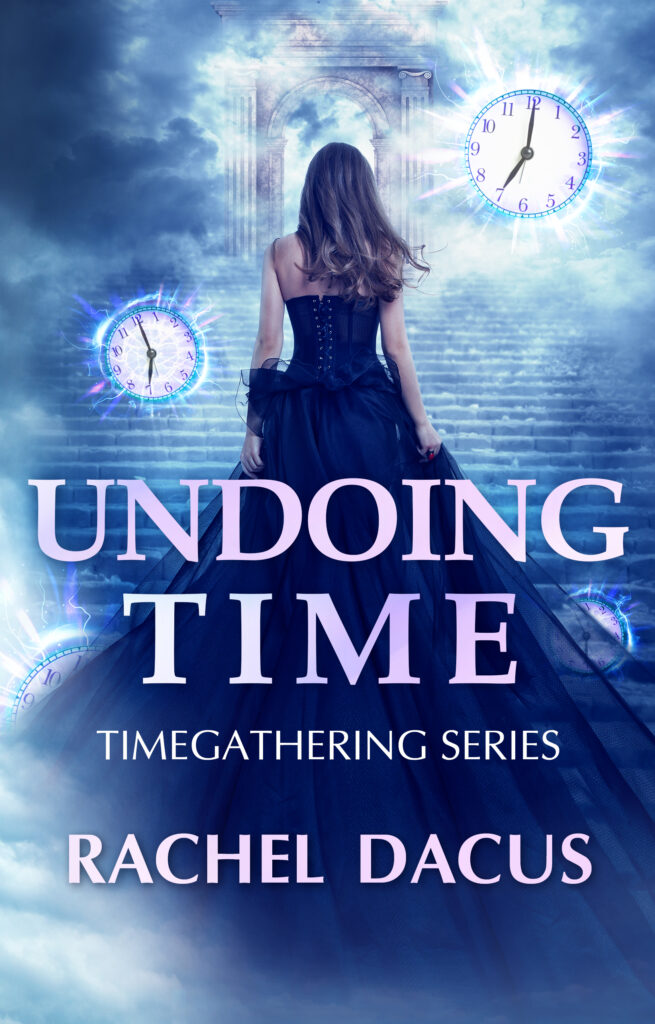
UNDOING TIME is my next, and for this I did a half-hearted NaNoWriMo attempt, and then realized it wouldn’t serve me to blast through a draft. Instead, I used a valuable habit NaNoWriMo instilled in me: daily writing hours, usually first thing in the morning.
The thing about self-publishing your NaNoWriMo book is to know when it’s truly finished. The rush to get words on paper is the opposite of the ideal approach to editing those words, covering them with a compelling cover image, and figuring out to whom you’re going to promote this new book. Those are all part of self-publishing, and they require daily diligence, but not the rush-to-print spirit.
Self-publishing a NaNoWriMo project works best, like everything in writing, if you plan on taking your time. And for a successful book, time is the very best ingredient.